“What Do We Have to Lose?”
A robot that wasn't ready, a team started from scratch [...]

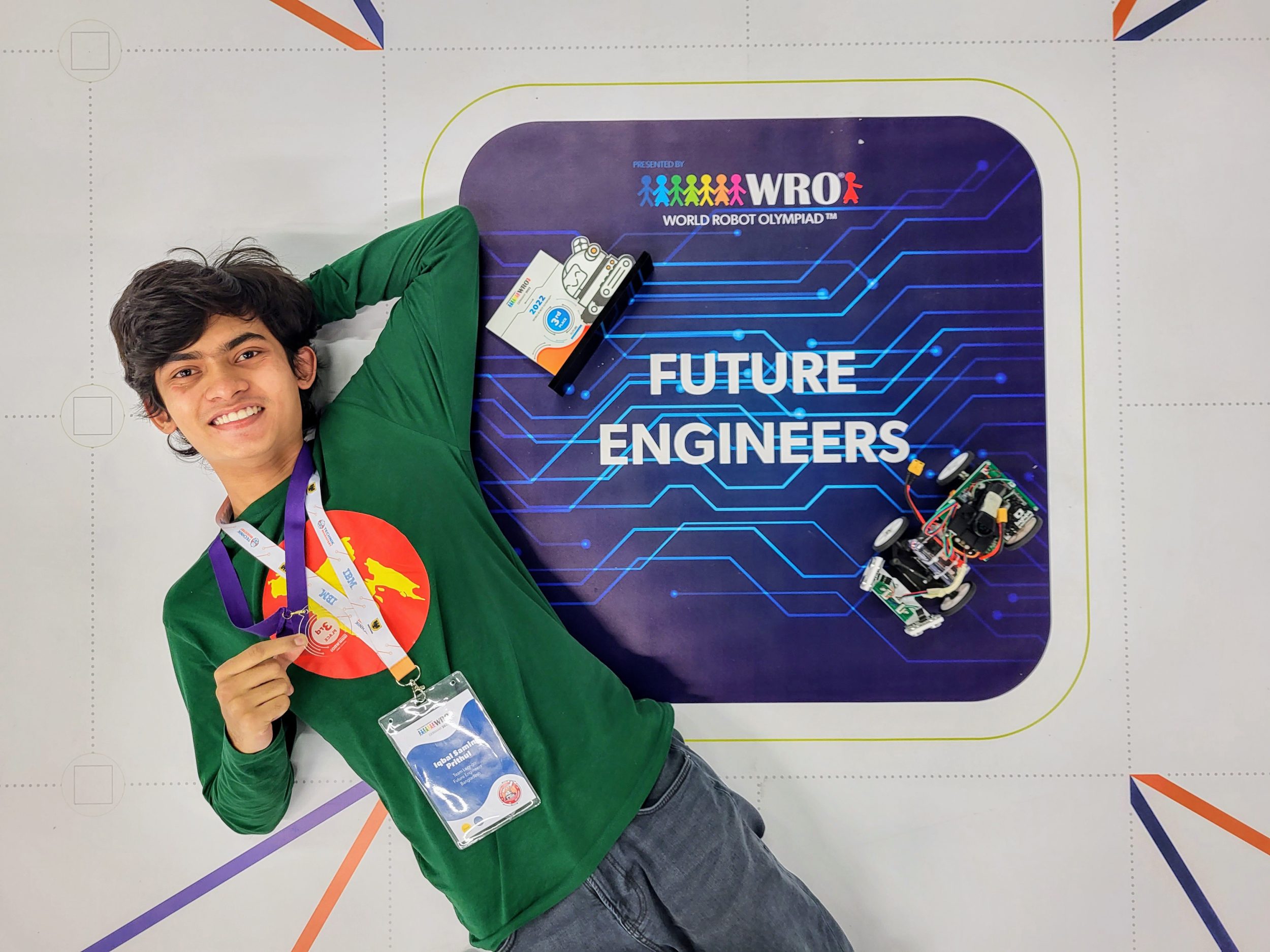
A robot that wasn't ready, a team started from scratch [...]
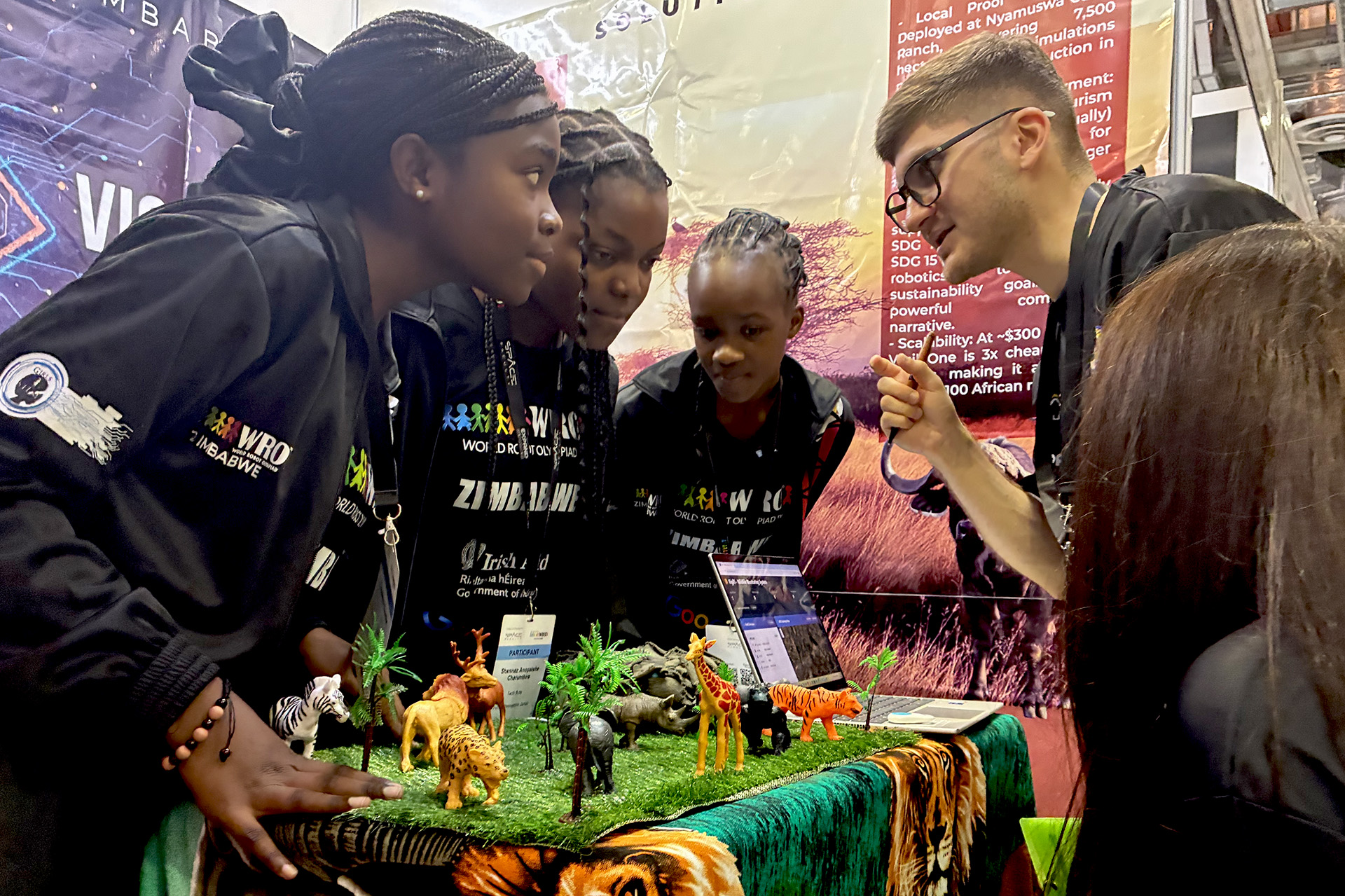
In 2025, more than 42,000 students across Africa used robotics to tackle real challenges in health, climate, and food security through WRO — proving that with the right partnerships, robotics education can scale fast and deliver locally rooted innovation.

Emilio López Bouchan joined WRO dreaming of seeing the world. He went on to become a coach, organiser and international judge — and a driving force behind WRO Mexico.
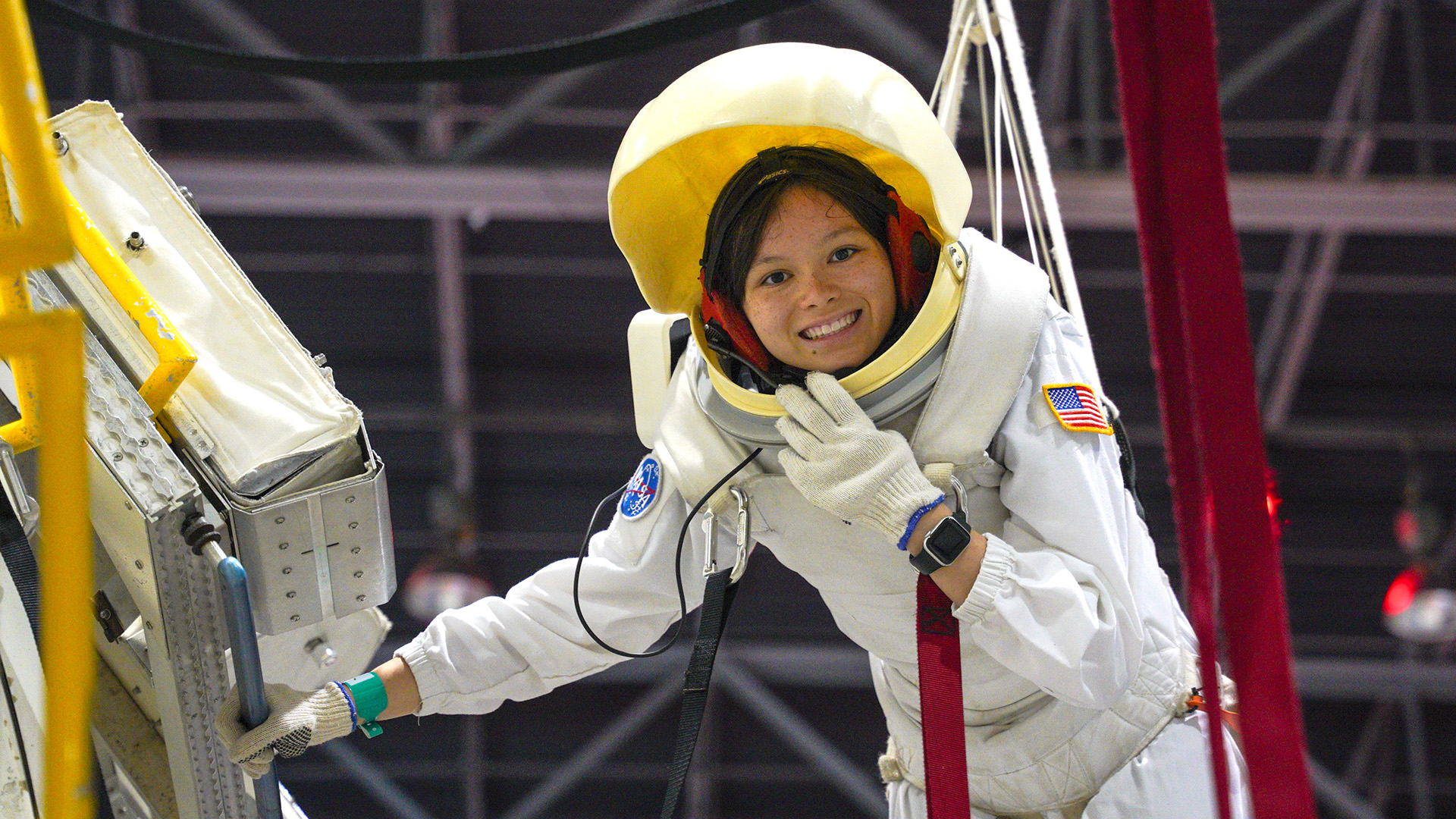
At 14, Natalie picked up a flyer about satellites after a WRO competition. Two years later, she’s leading the design and launch of a student-built nanosatellite that will orbit Earth.
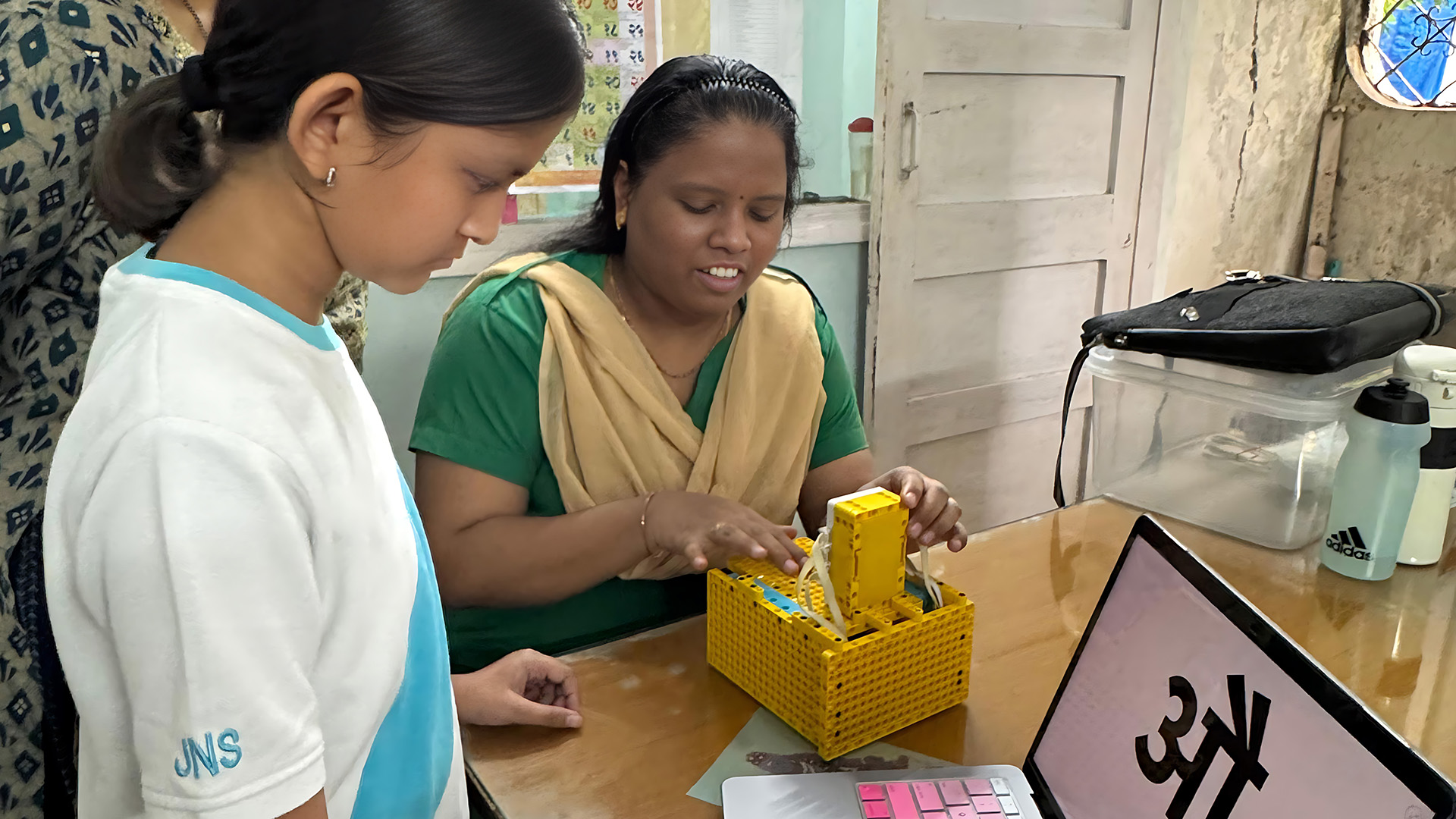
At 10 and 12, Vivaan and Tvisha wanted their WRO project to make a real difference. The result: a Braille-learning machine that helps blind children study more independently, without needing a teacher for every letter.

At 20, Shayan isn’t just judging. He’s designing Pakistan’s Surprise Rules—and in just a few seasons, teams have sharpened their skills and stepped up their game.

Mikaella Janielle Sevilla from the Philippines started out as a shy fifth-grader, but ended up mentoring Future Innovators and building an underwater robotic drone prototype at just 13.

You can rarely tell in the moment that something will have a profound impact on your life. Especially at age ten. That was how old Pan Yifan was when he first took part in a WRO national final.

Robotics is transforming African classrooms in 2025. From Zimbabwe to Nigeria, students, teachers, and mentors are reimagining learning through WRO, building robots, confidence, and a new future for education.

A coach in the Philippines makes sure his students keep learning – through storms, road closures, and school shutdowns. His determination has taken them from after-school robotics sessions all the way to the World Robot Olympiad international stage.

World Robot Olympiad™ Association is an independent non-profit organization. All revenue from sponsorships and fees is invested in support of our mission, which is to promote robotics in STEM education worldwide.
