
MEET SMART WAREHOUSE
The new Future Engineers challenge
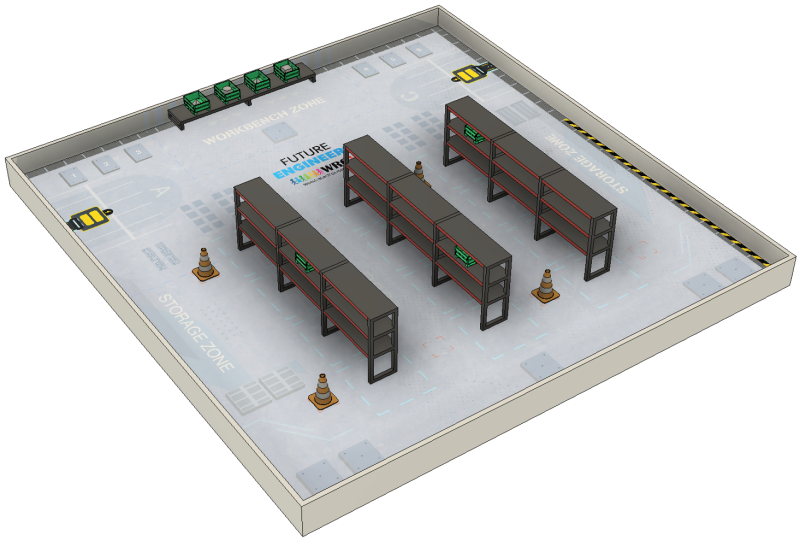
Inspired by real warehouse automation, Smart Warehouse challenges teams to design and build autonomous mobile robots that can perceive their environment, navigate, make decisions and act. Smart Warehouse is the Future Engineers challenge for the coming seasons. Launching for the 2027 season.
Official game rules are available now.
A new real-world engineering challenge
From autonomous driving to smart warehouse robotics.
In recent seasons, Future Engineers teams have explored autonomous driving. The next challenge moves into another fast-developing field of autonomous robotics: the smart warehouse. Teams will build robots that perceive their environment, navigate autonomously, make decisions and act.
PERCEIVE
NAVIGATE
DECIDE
ACT




Gather relevant information from the environment using sensors and perception technologies.
Plan routes, move autonomously and respond when conditions change.
Process sensor and mission information and determine what action to take next.
Interact with the physical environment, including handling and moving objects, to complete tasks autonomously.
Built like real engineering
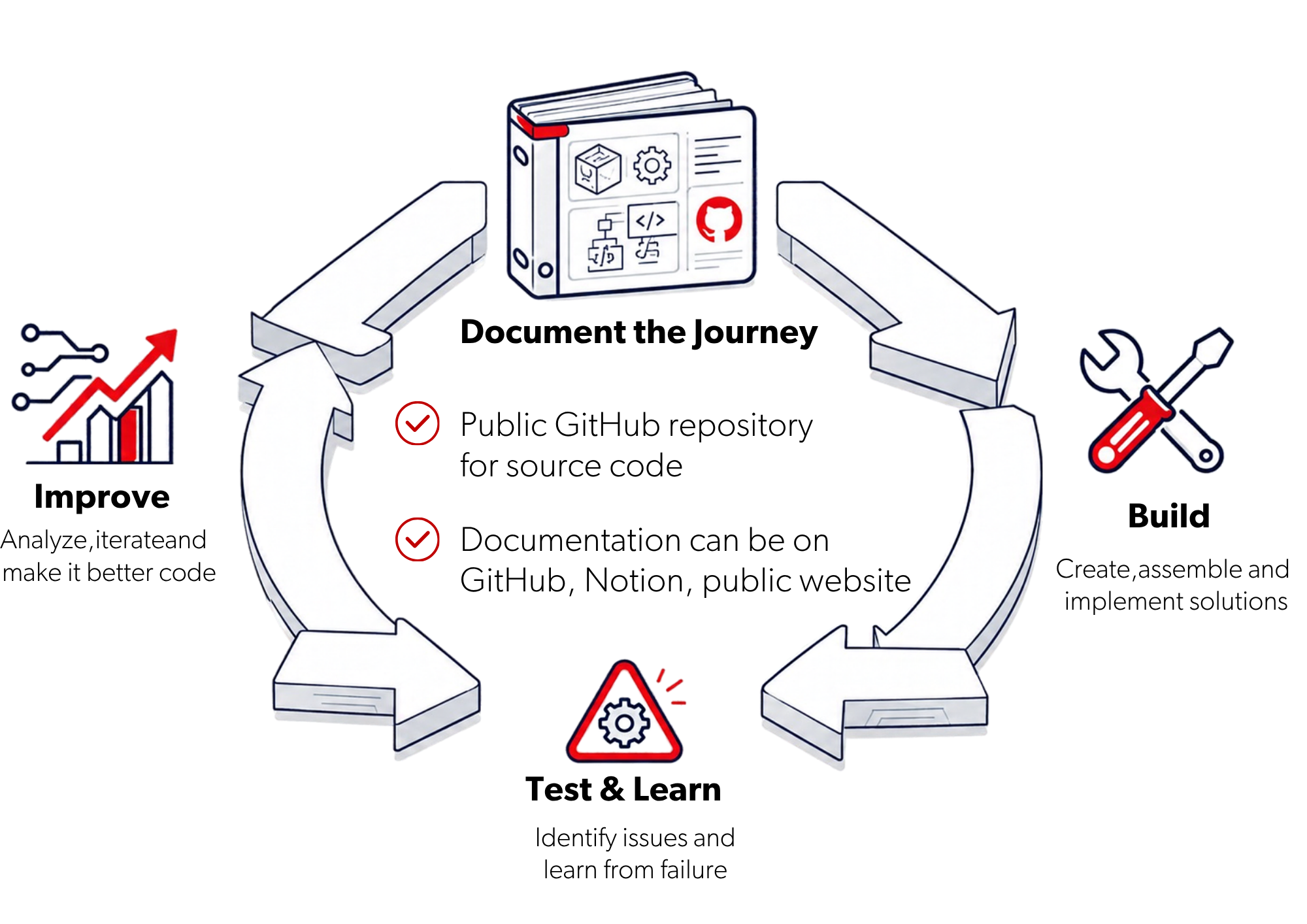
Future Engineers follow an engineering process: teams build, test, learn, document and improve their own robotic systems throughout the season.
Key technologies and engineering skills
- Sensing and perception
- Computer vision
- Autonomous navigation and path planning
- Robot decision-making and control
- Object handling and manipulation
- Mechanical design and mechatronic integration
- Software engineering
- AI and machine learning, where appropriate
- Engineering documentation
Two age groups

- Senior: ages 14–19
- Advanced: ages 18–23
Both age groups use the same warehouse environment, with different levels of mission complexity.

