
By Mike Marcellin, chief marketing officer of Juniper Networks.
They reminded me that I needed to make an effort to put myself in unfamiliar situations in order to grow.
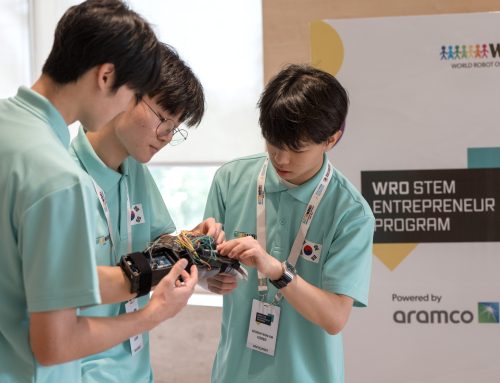
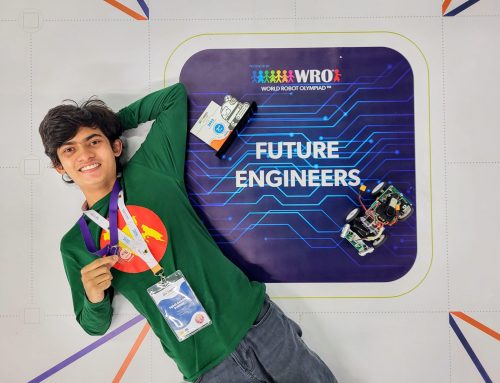
When I was asked to judge the World Robot Olympiad finals in Thailand this past November, I was expecting a nice break from my day job that might lead to inspiration. What I didn’t expect was to be schooled by a bunch of kids in the creativity department.
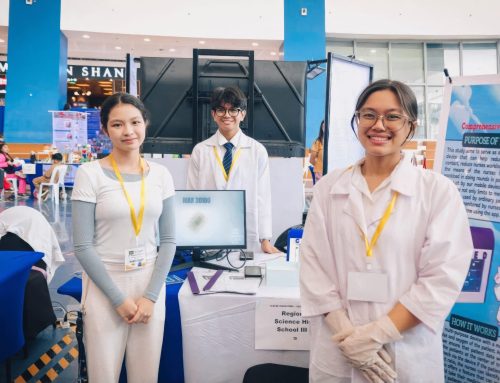
As a CMO, my job is to inspire. World Robot Olympiad draws some of the best young minds in STEM and robotics from all over the globe. I was blown away by the skill and thoughtfulness that went into each design and approach. These kids came from different parts of the world, and each group addressed specific problems from their countries and communities. A team from Japan tackled their country’s food waste with a robot that grinds leftovers into a nutritious powder and turns it into candy, while the Chinese team addressed overpopulation by developing a robot to tend to underwater farms that can be maintained offshore. These kids not only identified pertinent national and global problems, they also addressed them with empathy and out-of-the-box thinking.
I learned a lot from spending time with kids and LEGOs–including about what it takes to demonstrate creative leadership. Since returning, I’ve changed my outlook and implemented many of the lessons I learned from the competition in my own work at Juniper Networks. Here are five suggestions for anyone looking to add more creativity into their routine or their team’s:
1. DON’T GET SHACKLED BY CONVENTION
Generally, there are two types of creative thinking: one that is sustained over weeks to generate long-term projects, and one that’s on-the-fly and allows you to pivot in critical situations. I saw both on display during the World Robot Olympiad.
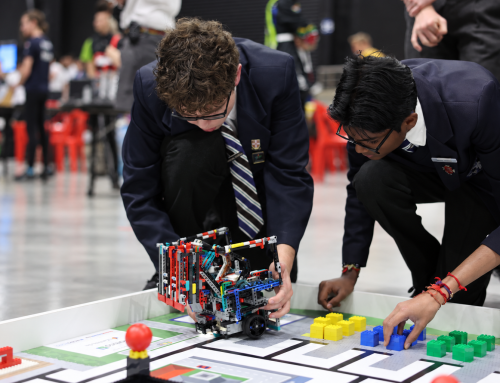
Contestants have months to prepare the different tasks their robot must complete. The rules are set, the tasks are clear, and they’re racing against the clock. However, on the day of the competition, they get a “surprise” rule that they have to incorporate within a matter of hours. This means that they don’t have time to fine-tune and iterate for a single solution. As a result, those that built their robots to adapt performed the best. Teams that hard coded their solutions had a tough time adjusting and performed poorly.
This is a smart lesson for marketers. We should always expect the unexpected and prepare ourselves accordingly, and devise our plans with that mentality in mind.
2. EMBRACE DIFFERENCES
One fascinating aspect of a global competition is the different ways teams approach a problem. As I watched them prepare their robots to face off in a soccer match, the team from Russia exemplified how mini workplace ecosystems should function. One girl was a natural leader. She delegated tasks for the team to execute in line with the overall vision, while another detail-driven team member pointed out a minor malfunction that would’ve inhibited the robot’s sensors.
This was a great reminder that everyone has different strengths. Whether you’re sitting in a boardroom with C-level executives or a team of engineers, when you break down the silos and create a space where everyone has a voice, you come away with better results. We’ve worked to diversify our teams at Juniper–both in terms of backgrounds but also thought process and skillsets. There is plenty of evidence that shows diverse teams make a company more innovative, and I’ve witnessed that embracing differences does lead to productivity and success.